
Tummy Tuck
Serving Chennai, Madurai, Coimbatore, and surrounding areas in India
Tummy Tuck in India
Loose abdominal skin, a persistent lower-belly overhang, or separated abdominal muscles may remain after pregnancy, ageing, or substantial weight loss. These concerns often do not improve with further dieting or exercise because they involve stretched skin and tissue, not body fat alone.
At Chennai Plastic Surgery, tummy tuck surgery is planned around the condition of the skin, the abdominal wall, fat distribution, and the patient’s goals. The practice serves patients from Chennai, Madurai, Coimbatore, and surrounding areas.
What Is a Tummy Tuck?
A tummy tuck, medically known as abdominoplasty, removes excess skin and selected fat from the abdomen. When the abdominal muscles have stretched or separated, the operation may also include internal sutures that bring them closer together. This separation is often called diastasis recti.
The incision is usually placed low across the abdomen. With a full procedure, the remaining skin is drawn downward, and the navel is brought through a new opening in the skin. The navel itself normally stays attached to the abdominal wall.
Abdominoplasty focuses on contour rather than weight reduction. It cannot remove all abdominal fat, prevent future weight gain, or replace a balanced diet and regular activity.
What Can Abdominoplasty Address?
The procedure may improve several changes that commonly occur after pregnancy, weight fluctuation, or ageing. The treatment plan depends on which tissues contribute to the abdominal contour.
Tummy tuck addresses the following concerns:
- Removes excess fat from the abdominal area
- Removes loose or excess skin
- Tightens weakened or separated abdominal muscles
- Improves and enhances the overall contour of the abdomen
The operation does not erase every stretch mark. Marks on the excised skin may be removed, while those on the remaining skin will stay and may shift position.
Who Is a Candidate for Abdominoplasty?
Candidates are generally adults in good overall health who understand the procedure’s limitations and can recover safely. A consultation is needed to determine whether the expected change is realistic and whether surgery is appropriate.
You may be considered for abdominoplasty if you:
- Have excess abdominal skin or muscle separation
- Do not smoke, or can stop as directed before and after surgery
- Understand that the procedure leaves a permanent scar
- Can allow enough time for recovery and follow-up care
- Have realistic expectations about the result
Patients planning significant weight loss may be advised to wait until their weight has stabilised. Plans for future pregnancy may also affect the recommended timing of surgery.
Types of Tummy Tuck
Abdominoplasty is not performed the same way for every patient. The amount and location of loose skin, the degree of muscle separation, and the waist contour help determine the appropriate technique.
Full Tummy Tuck
A full tummy tuck treats excess skin above and below the navel. It usually uses a low horizontal incision and a separate opening around the navel. The surgeon may repair separated muscles, remove loose lower-abdominal skin, and combine the operation with limited fat removal when appropriate.
Mini Tummy Tuck
A mini tummy tuck focuses on mild skin laxity and a limited bulge below the navel. It generally uses a shorter incision and does not require repositioning the navel. Limited muscle tightening below the navel may be possible in selected cases, but a mini procedure cannot correct extensive laxity across the full abdomen.
Extended Tummy Tuck
An extended abdominoplasty continues farther around the sides of the waist to remove excess skin along the flanks. It may suit patients whose tissue laxity extends beyond the front of the abdomen after major weight loss. When loose skin continues around the hips and back, a circumferential body lift may offer more complete correction.
Lipoabdominoplasty
Lipoabdominoplasty combines abdominoplasty with liposuction to address loose skin, muscle laxity, and selected fat deposits in one surgical plan. Liposuction may help refine the abdomen, waist, or flanks, but the amount treated must be chosen with attention to blood supply and healing. This combined approach is not suitable for every patient.
Tummy Tuck vs. Liposuction
These procedures address different causes of abdominal fullness. Liposuction removes localised fat through small access points, but it does not remove a fold of loose skin or repair separated abdominal muscles.
Abdominoplasty removes excess skin and can tighten the abdominal wall. Some patients need one procedure, while others may benefit from both. Skin elasticity, fat location, muscle condition, previous surgery, and the desired contour all influence this decision.
Preparing for Abdominoplasty
Preparation begins with a review of your health, medications, previous abdominal operations, pregnancy history, weight changes, and aesthetic goals. The surgeon examines the amount of skin excess, checks for muscle separation, and discusses the likely incision pattern.
Before surgery, you may need laboratory testing or other medical clearance. You may also be asked to stop smoking and avoid medicines or supplements that can increase bleeding. Medication changes should only be made with guidance from the prescribing doctor and surgical team.
Arrange for a responsible adult to take you home and assist during the early recovery period. Preparing meals, setting frequently used items within easy reach, and planning time away from work can make the first several days more manageable.
What Happens During a Tummy Tuck?
At Chennai Plastic Surgery, abdominoplasty is performed under general anaesthesia and usually takes several hours. The exact operating time varies with the selected technique and whether liposuction is included.
For a full abdominoplasty, the surgeon makes a low horizontal incision based on the amount of skin to be removed. The abdominal skin and tissue are lifted, and separated muscles may be tightened with internal sutures. Excess tissue is removed, the remaining skin is drawn downward, and the navel is brought through a new skin opening.
The incisions are then closed in layers. Drains may be placed temporarily to prevent fluid from collecting beneath the skin. A dressing and compression garment are applied according to the surgical plan.
Tummy Tuck Recovery
Tightness, swelling, bruising, and soreness are expected during early recovery. Patients are encouraged to begin short, assisted walks soon after surgery to support circulation, although they may need to remain slightly bent at the waist at first to reduce tension on the incision.
Recovery instructions vary, but a general progression may include:
- First few days: Rest, take prescribed medication, walk for short periods, and surgical site care.
- First one to two weeks: Swelling and tightness begin to ease. Drains and any non-dissolving stitches are removed when healing allows.
- Around two weeks: Some patients with desk-based work may return if they are comfortable and no longer need medicines that affect alertness. Physically demanding jobs require more time.
- Four to six weeks: Strenuous exercise, heavy lifting, and direct abdominal training are generally restricted until the surgeon confirms that the repair is ready.
- Following months: Residual swelling continues to settle, sensation may gradually return, and the scar begins to soften and fade.
Many patients stay overnight after surgery, although the appropriate length of observation depends on the procedure and individual health. A compression garment is often worn for several weeks to support the abdomen and limit swelling. Follow-up appointments allow the team to monitor the incision, remove drains when appropriate, and adjust activity restrictions.
Tummy Tuck Results, Scars, and Long-Term Maintenance
The abdomen often looks flatter soon after surgery, but swelling initially obscures the final contour. Results become clearer over the following weeks and months as the tissues settle.
Every abdominoplasty leaves a scar. The scar pattern depends on the selected technique and the amount of tissue removed. Incisions are often darker or firmer at first and usually mature gradually.
Results can be long-lasting when body weight remains stable. Major weight changes may stretch the skin or alter the abdominal contour again. Regular activity and balanced nutrition help preserve the result once the surgeon clears you to resume exercise.
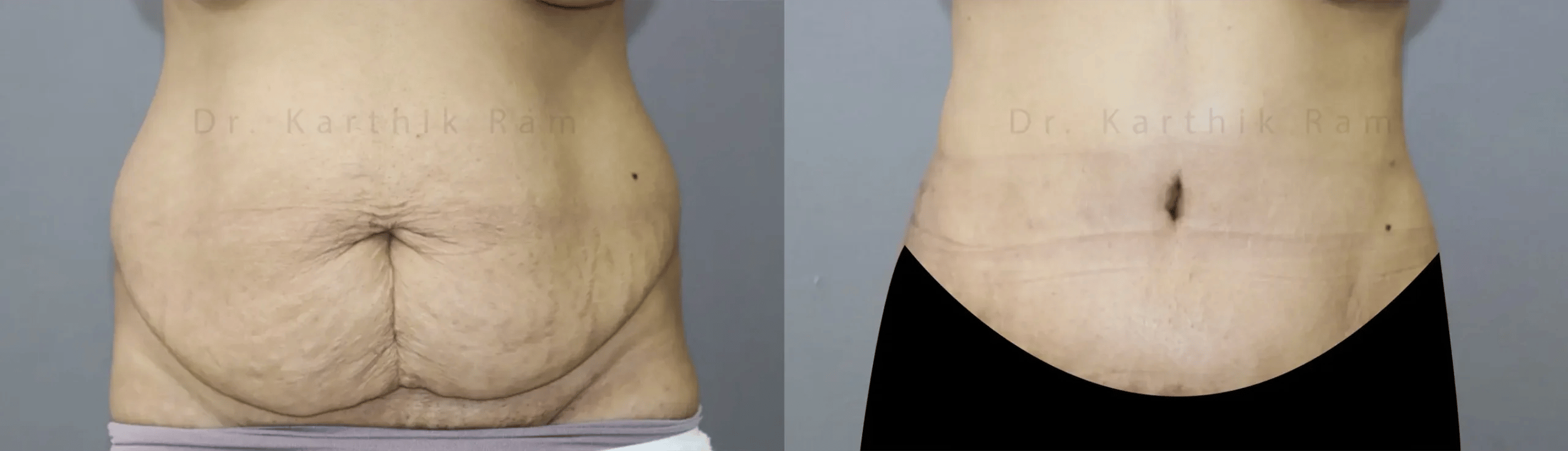
Tummy Tuck Before-and-After Photos
Our tummy tuck before-and-after gallery includes patients with different starting anatomies and surgical plans.
*These photographs can illustrate variations in abdominal contour, scar position, and navel appearance, but they cannot predict an individual result.
Benefits of Abdominoplasty
Abdominoplasty can address skin and muscle changes during the same operation. For an appropriate candidate, this may create a more even abdominal contour than fat removal alone and reduce how excess skin folds beneath clothing.
The operation cannot guarantee a particular clothing size, a completely flat abdomen, or perfect symmetry. The consultation should define what can reasonably change based on your anatomy.
Tummy Tuck Cost in India
Tummy tuck cost in India varies because the scope of surgery is different for each patient. A mini procedure, full abdominoplasty, extended technique, and lipoabdominoplasty involve different operating plans.
The estimate may reflect surgeon and anaesthesia fees, facility costs, medical tests, compression garments, medication, follow-up care, and whether an overnight stay is needed. After examining your abdomen and discussing the recommended technique, the practice can provide a cost estimate and clarify what it includes.
Why Choose Chennai Plastic Surgery?
Abdominoplasty requires more than removing loose skin. Planning may involve evaluating muscle separation, fat distribution, previous abdominal scars, navel position, and how much tissue can be removed safely. The plastic surgery team at Chennai Plastic Surgery considers these factors when selecting a full, mini, extended, or combined approach.
Dr. Karthik Ram, Chief Cosmetic Surgeon, is a board-certified plastic surgeon with more than 20 years of experience in aesthetic and reconstructive surgery. His listed areas of practice include abdominoplasty, liposuction, and body sculpting. Dr. Ram has contributed to publications in national and international journals, presented at conferences in India and abroad, and trained more than 40 plastic surgeons through the Cosmoskills Training Program. The program emphasises ethical practice, patient communication, and patient-centred care.
Dr. Mohammed Nishar completed his MBBS and MS in General Surgery at Madras Medical College, followed by DNB General Surgery and MCh Plastic Surgery at Government Stanley Medical College. He also completed an IAAPS-recognised Fellowship in Aesthetic Surgery and is a member of APSI, IAAPS, and ASI. His experience includes liposuction and body contouring.
Before surgery, the team reviews the patient’s health, medications, anatomy, and goals. The proposed technique, incision pattern, anaesthesia, recovery, follow-up care, and relevant risks are discussed so the patient can decide whether abdominoplasty and the recommended approach are appropriate.
FAQs About Tummy Tuck Surgery
How long is tummy tuck recovery?
Many patients need about two weeks away from desk-based work, while jobs involving lifting or prolonged physical activity require more time. Walking begins early, but strenuous exercise and heavy lifting are commonly restricted for four to six weeks or until the surgeon confirms that healing is sufficient.
Where will the tummy tuck scar be?
The main scar usually runs low across the abdomen, above the pubic area. Its length depends on how much skin must be removed. A full tummy tuck generally adds a scar around the navel, while mini and extended procedures use different incision lengths.
How painful is a tummy tuck?
Discomfort is usually most noticeable during the first several days, especially when muscle repair is included. The surgical team provides a pain-management plan, but the intensity and duration of soreness differ among patients.
Can I become pregnant after a tummy tuck?
Pregnancy remains possible after abdominoplasty, but it can stretch the tightened skin and repaired muscles and may change the result. Patients who expect future pregnancies are therefore usually advised to postpone the operation unless individual circumstances support a different plan. Plan pregnancy after two years.
What type of anaesthesia is used for a tummy tuck?
Chennai Plastic Surgery performs tummy tuck surgery under general anaesthesia. Before the operation, disclose previous anaesthesia reactions, allergies, medications, and relevant medical conditions.
What are the risks of a tummy tuck?
Potential tummy tuck risks include bleeding, infection, fluid accumulation, delayed healing, scarring, numbness, blood clots, and reactions related to anaesthesia. Your surgeon will explain the factors that apply to you and when to seek medical attention.
Make an Informed Decision About Tummy Tuck in India
If loose abdominal skin or muscle separation continues to affect your contour, a surgical assessment can clarify which approach fits your anatomy.
Contact Chennai Plastic Surgery to request a tummy tuck consultation in India and receive specific information about the proposed procedure, scar, recovery, risks, and cost.
Dr. Karthik Ram
Dr. Karthik Ram is a board-certified, leading plastic surgeon with over 20 years of distinguished experience in aesthetic and reconstructive surgery. Born and brought up in a small town Namakkal in the southern part of Tamil Nadu, Dr. Ram aspired to be a plastic surgeon. His true calling in aesthetic surgery motivated him to start his own centre in the heart of Chennai, Tamil Nadu. He is renowned for his innovative techniques and expertise in Gynecomastia. He has operated over 6,000 cases of Gynecomastia and is a pioneer with multiple international publications. He is globally known for his surgical techniques, the lifting plaster technique, and has a classification named after his surgery centre – Chennai Plastic Clinic. He is well regarded for his work in breast reduction, rhinoplasty, fat transfers, abdominoplasty , liposuction, body sculpting, and facial aesthetic surgeries.









Dr. Mohammed Nishar
Known for his friendly and compassionate approach, Dr. Nishar believes every patient deserves individualized care. He takes time to understand patient goals, explains procedures clearly, and ensures comfort and safety at every step.
Dr. Preethy Narayanasamy
Dr. Preethy Narayanasamy is a highly trained Plastic and Aesthetic Surgeon, known for her refined approach to enhancing natural beauty with precision and artistry. With a DrNB in Plastic Surgery from Apollo, Chennai, she combines a strong foundation in reconstructive surgery with advanced training in aesthetic procedures.
Her aesthetic philosophy is centered on subtle, harmonious results—enhancing individual features while preserving individuality. She has received specialized training through IAAPS and is an active member of both IAAPS and APSI, reflecting her commitment to maintaining the highest standards in aesthetic and plastic surgery.
Enhance Your Beauty With These Related Services
At Chennai Plastic Surgery, we combine artistry and medical expertise to enhance your natural beauty. Our specialized services—ranging from surgical to non-surgical treatments—are tailored to help you look and feel your best with safe, effective, and lasting results.
Body Lift
Thigh Lift
Liposuction
Bariatic Surgery
Related Blog

Tummy Tuck Surgery செய்யும் முன் தெரிந்து கொள்ள வேண்டிய 10 முக்கிய விஷயங்கள்
பிரசவத்திற்குப் பிறகு அல்லது அதிக உடல் எடையை குறைத்த பிறகு வயிற்றுப் பகுதியில் தளர்ந்த தோல், அதிகப்படியான கொழுப்பு அல்லது வயிற்றுத் தசைகள் தளர்வு போன்ற பிரச்சனைகள் ஏற்படலாம். உணவு மற்றும் உடற்பயிற்சியால் இவை…

Tummy Tuck After Pregnancy: Benefits and Recovery
Pregnancy can bring beautiful changes, but it may also leave behind loose abdominal skin, stubborn fat and stretched or separated abdominal muscles. Even with regular…

Abdominal Etching vs. Tummy Tuck: Understanding the Differences
In the bustling cities of India, many seek a pleasing physique. Among the many cosmetic procedures available, two stand out for those seeking to improve…
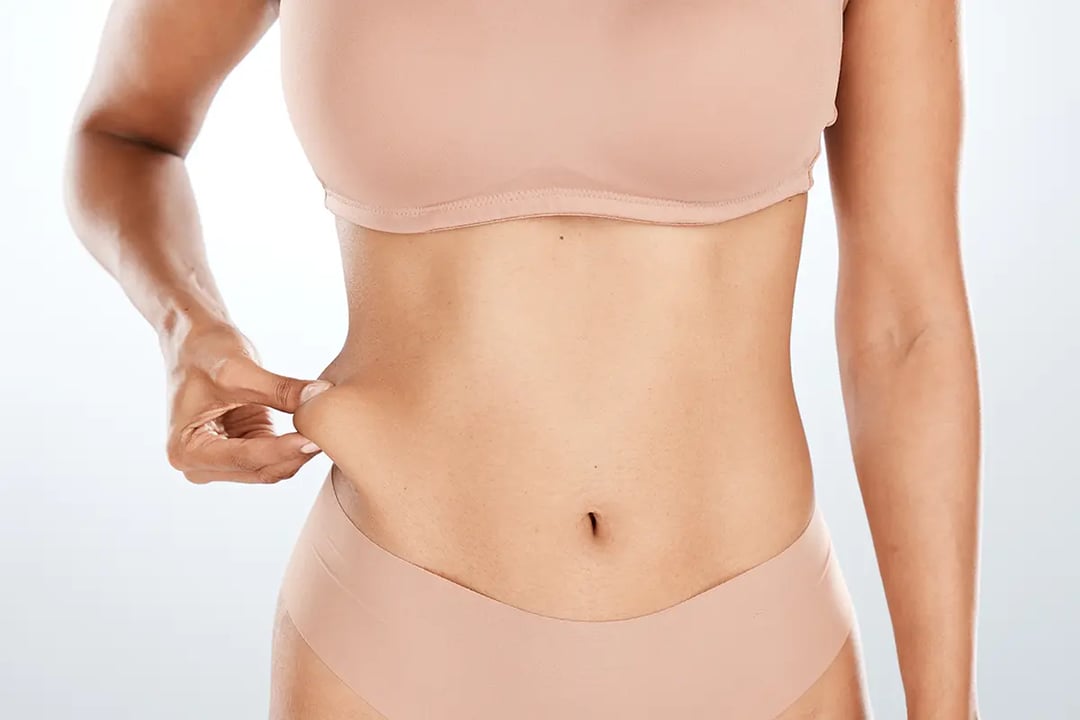
Info On Tummy Tuck Or Abdominoplasty
Everybody after pregnancy goes through a lot of changes in their body. Breasts starts sagging, tummy skin become loose and the muscles supposed to be…
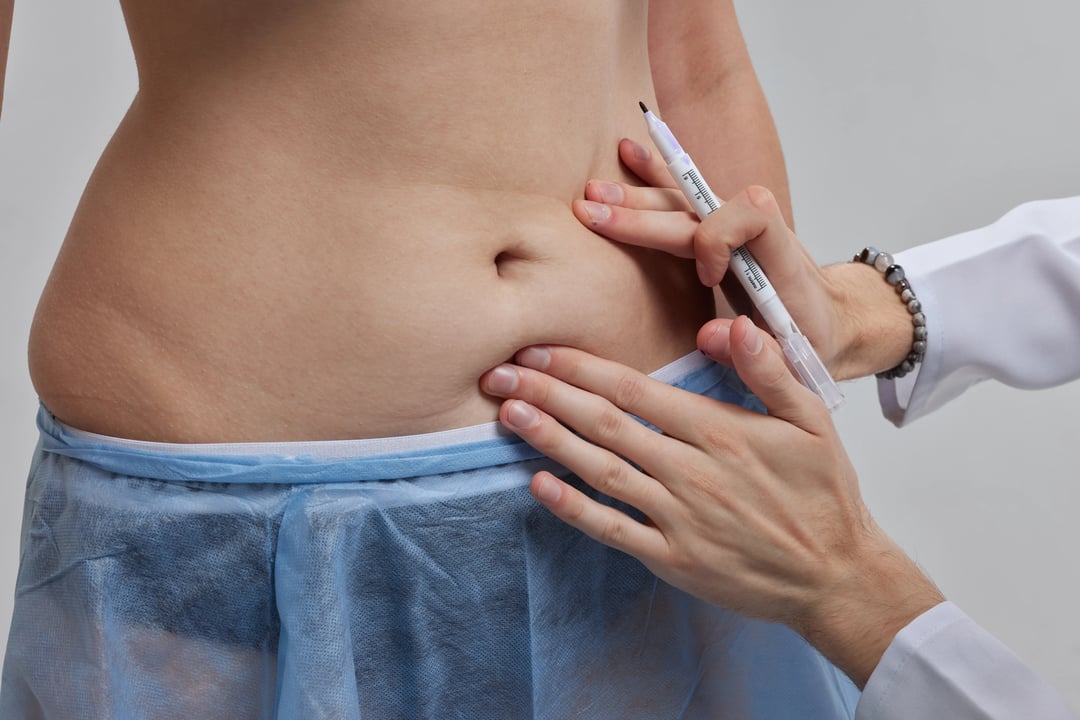
Abdominoplasty: Chennai Tummy Tuck Draining
A small drain is usually placed during the abdominoplasty procedure. The drain usually remains in for a few days and then it is removed. A…